Easy DIY Woodworking Projects
Easy DIY woodworking projects for beginners, intermediates and experienced woodworkers who want product ideas that sell. The goal: projects that are simple to build, don’t require a huge shop, and can be made from easy-to-find materials—plus a clear path to finishing, pricing, and selling.
There are certain woodworking projects that sell well all the time. It’s usually due to one (or more) of these reasons: they solve a problem (storage, organization), they gift well (weddings, housewarming), they fit small spaces (apartments), and they look “premium” even when made with basic tools.
Another big secret: repeatability. Many of the best sellers aren’t the ones that take you two weekends and 300 clamps. They’re the ones you can batch in small runs, keep consistent, and improve a little each time—without burning out.
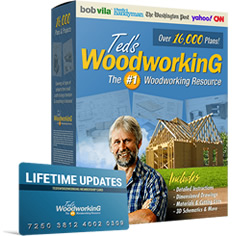
All with downloadable, printable tips and plans. When you have all-inclusive packages—3D views, step-by-step cuts, material lists, measurements, and tool callouts—you save money (less wasted wood), save time (fewer do-overs), and end up with a result you’re proud to put your name on.
Easy DIY Woodworking Projects
That Also Sell Well
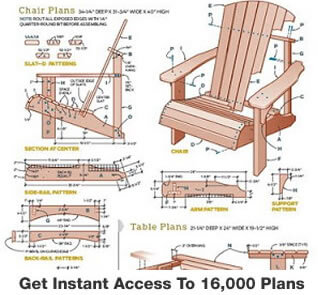
These easy DIY woodworking projects include all measurements, materials list and tool list.
You can print the plans the size you want.
All you need to add is you!
All Products come with a 60 money back guarantee!
Here are some ideas of woodworking projects that always sell well and are easy to build.
Project idea #1: modern floating shelves. These sell because they’re clean, useful, and match almost any décor style. You can build a hidden cleat version for a “magical” look, offer different lengths, and choose woods based on budget (pine for affordable, oak or walnut for premium).
Project idea #2: entryway key holder with a small mail shelf. People love anything that makes the front door less chaotic. Add hooks, a little ledge for wallets, and optional personalization—like a routed last name or a simple inlay strip.
Project idea #3: cutting boards and serving boards (especially with a handle). These are classic sellers because they’re giftable and they feel high-end. You can keep it beginner-friendly with edge-grain boards, then move up to end-grain patterns once you’re confident with milling and glue-ups.
Project idea #4: coasters and small trays. They’re quick, they batch well, and they’re perfect for using scrap. A simple set of four coasters with a holder looks like a “boutique” product, even if it’s built from offcuts and finished with a wipe-on oil.
Project idea #5: planter boxes and indoor plant stands. Plant people are serious buyers. You can make a simple box with drain gaps, or a mid-century style stand that uses basic angles and a clean finish—great for beginners and still stylish enough for higher pricing.
Project idea #6: bench-top step stool (or a small “kids helper” stool). These sell because they’re practical and feel handmade in the best way. If you offer a sturdy, safe design with rounded edges and a durable finish, parents notice—and they talk.
Project idea #7: simple picture frames and floating frames. Frames are underrated money-makers. You can build a standard frame profile with a router bit, offer common sizes, and add upgrades like splines in the corners for strength and style.
Project idea #8: spice rack or countertop organizer. This is one of those simple diy woodworking projects that people buy because it instantly improves a kitchen. Bonus: you can design versions for cabinets, drawers, or countertops and sell them as a “set.”
Project idea #9: wall-mounted coat rack with a shelf. It’s a two-in-one product—storage plus display. Choose good-looking hooks, keep your joinery strong (even basic screws can be rock solid with proper pilot holes), and you’ve got a piece that feels custom.
Project idea #10: wine rack or mug rack. These are fast builds that look impressive. They also photograph well, which matters a ton online. A clean design, consistent spacing, and a smooth finish is what separates “homemade” from “handcrafted.”
Project idea #11: small side table or C-table. Furniture sounds advanced, but a simple design with straight cuts can be totally doable. The trick is a plan that keeps everything square, provides exact cut lists, and shows assembly order clearly—this is where 3D-view plans shine.
Project idea #12: storage crates and stackable boxes. These are easy, useful, and scalable. Sell them unfinished for budget buyers, or offer stained and sealed versions. If you’re smart about dimensions, you can make them nest, stack, or fit standard cube shelves.
Project idea #13: Birdhouses are very easy to build and always sell well.
The woodworking information contains info on simple, money-making wood projects as well as intermediate and advanced projects.
In addition you'll get a bonus Ebook that details many related woodworking issues. Safety, shop tips such as dust collection, setting up your shop for efficiency, tool tips, stripping paint, glues, sanding and finishing, joinery and plans for dozens of projects.
You Can Start with Some Simple Tools & Add More Later
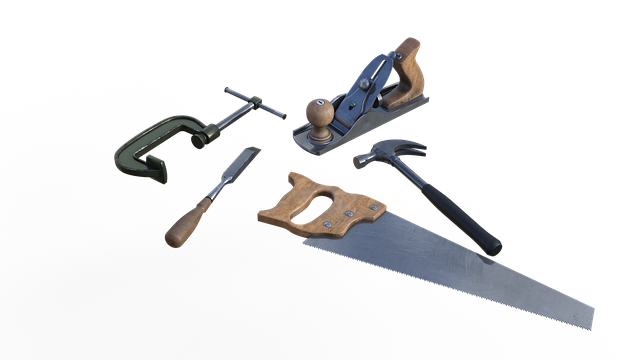
You can start with some very simple tools and you can start in a few days.
Over 16,000 wood project plans from simple to advanced.
Something for every woodworker.
I purchased many tools from Facebook Marketplace. It's easy to find good bargains and I even got a couple brand new tools, still in the box.
Sometimes people buy things and change their mind or they get it as a gift and never use it. And there are lots of tools too that never saw much use with a price tag anywhere from 1/3 to 1/2 the original price.
Some tools you’ll actually use for most easy DIY woodworking projects: a tape measure, square, pencil, clamps (more than you think), a drill/driver, and a sander. Add a circular saw with a guide for clean straight cuts, and you can build a lot without needing a table saw right away. Add some sort of sawhorses or build a permanent workbench, which you will also find plans for here.
If you do want a bit more equipment, a miter saw makes crosscuts fast and accurate, and a router adds that “professional edge” with roundovers and chamfers. For experienced builders, a planer and jointer help you mill rough lumber and build higher-end products.
Here’s the finishing advice most people wish they got earlier: your finish is half the product. Sanding matters more than the brand of stain. Work through grits (like 120 → 180 → 220), remove dust between steps, and don’t rush the final coat if you want that smooth, shop-quality feel.
Advice On Wood Finishes Too!
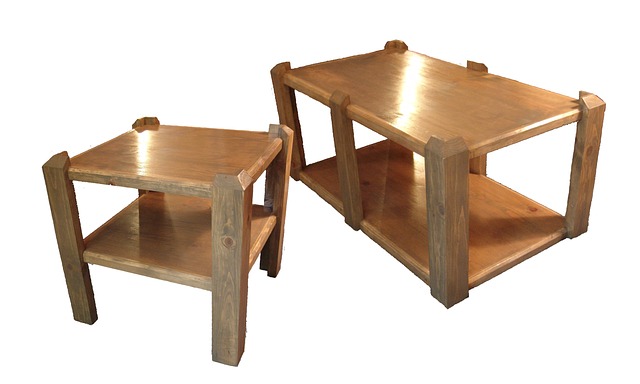
A beautiful finish sells faster.
It's easy to put a lustrous finish on and you can get tips on that too!
Not just easy to follow plans, but all kinds of wood related tips to help you sell more if you want to have a part or full time home business.
Different woods like different approaches. Pine can blotch with stain, so a pre-stain conditioner (or a gel stain) helps even things out. Oak takes stain well and has bold grain. Maple can be tricky with stain but looks amazing with a clear coat. Walnut often looks best with just oil and a protective topcoat.
For food-contact items like cutting boards, stick to food-safe finishes (like mineral oil and a wax/oil blend) and avoid film finishes that can chip. For furniture and shelves, a durable topcoat like water-based polyurethane keeps things protected without heavy odor, and it dries fast.
Much more advice in our comprehensive info pack on everything to do with wood.
Setting up a small shop doesn’t need to be expensive. Prioritize a sturdy work surface, good lighting, and dust control. Even a shop vac with a simple separator helps. Then build your own storage—French cleats, wall shelves, and tool holders are perfect “shop projects” that sharpen skills.
If you’re aiming to sell, design for consistency. Use jigs for repeated cuts, create a simple checklist for each build (cut, sand, assemble, finish), and take notes on what slows you down. The more repeatable your process, the more confident you’ll feel taking orders.
Marketing Your Simple DIY Woodworking Projects
Instructions so detailed, you can't go wrong.
All kinds of tips too!
60 day money back guarantee so you have zero risk.
We also have info on marketing your simple DIY woodworking projects. A couple tips are below, but we have a lot more info on this subject.
Marketing your woodcraft business can be simple: take clear photos in natural light, show scale (a mug, a hand, a plant), and post short build clips. List your items with specific titles people search for (like “walnut floating shelf” or “entryway mail organizer”), and make it easy to choose sizes and finishes.
Pricing is where many makers underpay themselves. Track material cost, consumables (sandpaper, finish), and time. Then add a profit margin that makes it worth doing. If you’re selling online, don’t forget packaging and shipping time—those are real costs.
The big win is this: when you pair easy diy woodworking projects with complete, easy-to-follow 3D plans, you don’t just build one thing—you build momentum. And if you want that creative feeling plus the option to make some money with easy to follow woodworking plans, focusing on woodworking projects that sell well is the fastest path from “I want to learn” to “I can actually do this—and people want what I make.”
Quality Sells!
Higher quality will get you higher profits!
After some experience, start getting into more beautiful woods and finishes. You can charge much more than the extra cost it is for you to make, especially if you pay close attention to the quality of your work.
Near perfect cuts and finishes with exotic hardwoods command premium prices and your only extra cost is the exotic wood.
Start an enjoyable hobby and make money too with easy DIY woodworking projects.
Check out our website for more info on building a woodworking business from home and also on how to set up a small, simple home woodshop for low cost!